Why People Give Red Packets: The Psychology Behind Lucky Money

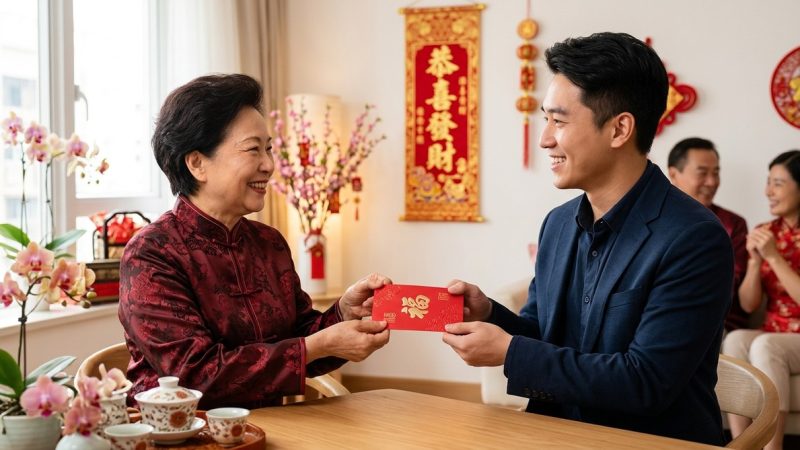
Red packets are more than a gift box. They are a doorway into a culture that treats money as a conduit for luck, respect, and connection. At redpacket.hk we study how a simple square of colored paper can hold decades of tradition and modern meaning. Whether you are handing a digital hongbao through an app or presenting a beautifully crafted physical packet, the act is steeped in ritual, psychology, and social learning. If you have ever wondered why people give lucky money, or how to navigate the etiquette in today’s evolving landscape, read on. This article unpacks the why behind the red packet and how you can use that insight to make gifting both meaningful and mindful.
The psychology of lucky money
Red packets tap into several well established social and cognitive drivers. They are not just about money, but about people, relationships, and culture.
- Reciprocity and social bonds: Giving a red packet creates a social obligation that strengthens bonds within families and communities. It signals a willingness to invest in the relationship and to participate in ongoing rituals.
- Identity and belonging: The act links individuals to a shared tradition. It helps younger generations feel connected to elders and to the wider cultural story.
- Positive emotions and dopamine: Giving and receiving red packets triggers feelings of gratitude and happiness. The ritual, the color, and the anticipation of luck contribute to a small dopamine rush that reinforces the behavior.
- Status signaling and respect: In some contexts, the amount and presentation of a red packet communicates respect, care, and social standing. Thoughtful design and appropriate amounts reinforce positive perceptions.
- Luck and protection: The red color is believed to ward off misfortune and invite good fortune. Including auspicious numbers and symbols can amplify this protective feeling.
- Generational transmission of values: Parents model generosity and etiquette, teaching children how to give, receive, and handle money with care and respect.
Understanding these motivations helps explain why the tradition endures even as methods of transfer evolve. At redpacket.hk we see that the emotional resonance often matters as much as the monetary value.
The cultural roots of red packets
Red packets, or hongbao, find their roots in Chinese culture and spread across East and Southeast Asia with variations. The red envelope is a small theater of symbolism:
- The color red: Red is associated with luck, joy, and protection. It is a color of celebration and a shield against misfortune.
- The act of gifting money: The practice emphasizes responsibility, support, and the transmission of wealth across generations.
- The timing: The most visible moments are during Lunar New Year, weddings, and life events such as births and graduations. These moments are opportunities to renew social ties and express sustained care.
Legends and myths often appear in the storytelling around red packets. Some traditions speak of the demon Sui who dislikes loud noises and the color red; thus families use red envelopes and firecrackers or loud celebrations to drive away bad luck. While stories vary, the core idea is consistent: red packets are a ritual tool for guiding fortune and fostering communal harmony.
What makes a red packet sent and received
Gifting red packets is not a one size fits all practice. The intention and recipient drive the form.
- Occasions:
- Lunar New Year and other major festivals
- Weddings and anniversaries
- Births, birthdays, and graduations
- Promotions or year end bonuses
- Teacher gifts, host gifts, or special celebrations
- Recipients:
- Children and juniors often receive the smallest packages
- Elders and respected elders are typically given with greater care
-
Friends and coworkers can receive red packets that reflect the closeness of the relationship
-
Form:
- Physical red packets with embroidery, foil, or calligraphy
- Digital red packets sent via apps with playful animations and convenient transfer
A thoughtful red packet considers both the relationship and the cultural moment. The pairing of meaning with measure makes the gesture feel generous rather than mere money exchange.
Physical versus digital red packets
Digital red packets have transformed the pace and breadth of this tradition, while physical packets preserve tactile and visual rituals. Here is how they compare:
- Accessibility: Digital red packets can be shared instantly across distances, making them ideal for friends and family who live far apart.
- Privacy and control: Physical packets can be more intimate, with hands on presentation and careful control of the environment around the exchange.
- Design and personalization: Physical packets offer tactile options—embossing, foil stamping, custom artwork—while digital packs can include moving animations and personalized messages.
- Tracking and records: Digital transfers can be easy to track, helping with record keeping for events like weddings or company bonuses.
- Etiquette adaptation: Some communities still honor traditional rules when using digital methods, such as giving with both hands in person or acknowledging elders with special phrases, even in virtual formats.
At redpacket.hk we explore these transitions, showing how to maintain etiquette and warmth whether you send a packet across a table or across the globe.
The etiquette of giving and receiving
Good etiquette keeps the gesture respectful and joyful. Here are practical guidelines you can apply in real life.
- Do’s
- Present with both hands when possible
- Use auspicious numbers like 6 or 8 and avoid unlucky numbers such as 4 in many cultures
- Pair the amount with a short well wish
- Consider the recipient’s circumstances and your relationship
- For digital gifts, add a warm message and a personal note
- Don’ts
- Do not give when you are rushed or distracted
- Do not include numbers that imply misfortune or debt
- Do not reuse an envelope that has a negative or unlucky prior association
- Do not insult the recipient by misinterpreting the gift as a bribe or a forced obligation
The way you present the red packet can be as important as the amount inside. A thoughtfully chosen design and a sincere message can elevate the moment from functional to memorable.
Do it right steps
- Decide the relationship and occasion
- Choose an appropriate design or digital interface
- Select a respectful amount
- Offer with a kind greeting
- Watch the recipient receive with gratitude
- Follow up with warm wishes or a note
Consistency in these steps builds trust and comfort within families and communities.
How much to put in and perceptions of wealth
The amount you put in a red packet matters, but so does the context. Different regions and families have distinct norms. Some broad guidelines to consider:
- For children and younger relatives
- Small but meaningful amounts that teach generosity and appreciation
- Use numbers that signal luck like 8 or 68
- For close family elders
- Slightly larger amounts to reflect respect and care
- For friends and colleagues
- Amounts that reflect the closeness of the relationship and the occasion
- For weddings and major milestones
- Higher amounts can reflect the significance of the event
Numbers to consider:
– Auspicious numbers like 6, 8, and 9 are common because they evoke smooth progress, wealth, and longevity
– Unlucky numbers like 4 are avoided in many households
– Odd numbers can be used for weddings or celebrations as a sign of pairing good fortune with uniqueness, but check local norms
Remember that money is a symbol of goodwill. The thought you put into selecting the amount often matters more than the exact figure.
Re gifting and handling empty packets
Re gifting or reusing red packets is a practical option in many communities, but there are etiquette considerations:
- Re gifting:
- Prefer new or clean packets to avoid the sense of recycling bad luck
- Personalize the message for the recipient to show care
- Consider the occasion and how it aligns with the new gift
- Handling empty packets:
- If a packet is empty or nearly so, a polite explanation and future gifting plan can prevent awkwardness
- Retain meaningful designs for future use or display in a card or album
- Don’t reuse a packet that may carry poor connotations for the recipient or their family
The key is respect. Red packets are a vessel for intent and relationship, and preserving that respect keeps the ritual positive.
Printing techniques and personalization
The physical red packet world is rich with craft and artistry. Printing and production choices can elevate the gift and reflect personal or family identity.
- Classic techniques:
- Silk screen, foil stamping, embossing, and traditional Chinese script
- Silk threads and embroidered elements on high end packets
- Modern twists:
- Digital printing with vibrant color gradients
- Laser cutting and intricate die cuts for unique shapes
- UV spot gloss and metallic finishes for a celebratory feel
- Personalization ideas:
- Family emblems, names, and auspicious phrases
- Custom art that ties to a family tradition or a wedding motif
- Opera inspired imagery that nods to your region’s cultural heritage
At redpacket.hk we highlight how to blend heritage with personalization to create keepsake packets that family members want to save and reuse.
Opera’s influence on red packets
Opera, particularly forms tied to regional traditions, has long influenced red packet aesthetics. Color palettes, motifs, and stylized faces or masks can appear on designs to honor performance art and storytelling. This influence does not just decorate packets; it signals cultural depth and continuity. If you are designing for an event, consider a motif that resonates with audience tastes and regional opera traditions while ensuring readability of the monetary value.
Personalization ideas that honor tradition
- Create a packet with a favorite family motif or a signature color palette
- Include a short well wish in a local dialect or calligraphy
- Pair a physical packet with a digital message or short video to bridge old and new
- Use eco friendly materials and provide a note about sustainability
Personalization makes red packets feel personal rather than generic and shows that you invested time and thought into the gift.
Recycling, sustainability, and design considerations
Sustainability matters in modern gifting. Many families reuse designs or print new packets with environmentally friendly inks and paper.
- Materials: Recycled paper, soy inks, and simple finishes reduce impact
- Reuse with care: Clean the packet before reuse and avoid giving a design that might carry negative connotations
- Design longevity: Create envelopes that can be saved as keepsakes or repurposed as art
When you combine sustainability with thoughtful design, red packets remain both meaningful and responsible.
Visuals and design considerations for red packets
- Color schemes: Classic red with gold or black accents; modern palettes with bright gradients
- Typography: Clear, legible characters for the amount; elegant calligraphy for well wishes
- Motifs: Classic symbols (peonies, cranes, wealth symbols) or contemporary motifs (flowers, landscapes)
- Size and layout: A design that accommodates the amount window and any security features
- Accessibility: Large font for the amount and clear wishes for all readers
A well designed packet communicates care even before the money is opened.
Frequently asked questions
- What is hongbao and why is it important?
- Hongbao is the red packet tradition used to share luck and wealth during special occasions. It is a symbol of care and community.
- Can digital red packets be customized?
- Yes, many apps allow custom messages, names, and even themed animations to reflect the occasion.
- Should I give the same amount to everyone?
- Not necessarily. Amounts are often tailored to relationship, occasion, and local norms while keeping an overall sense of equity in mind.
- How should I present a red packet to a child?
- Present with a smile, two hands if possible, and a short blessing or wish that matches the child’s stage of life.
- Is it okay to reuse red packets?
- Reusing is common but consider newness when the packet is given to someone new or in a formal setting. If reused, make sure the design feels respectful and fresh.
Conclusion
Red packets are a living bridge between generations. They remind us that money is not just currency but a vessel for care, culture, and community. Whether you are embracing a long standing family tradition or exploring a modern digital approach, the heart of the practice remains the same: to wish others well and to strengthen social ties through mindful sharing.
At redpacket.hk we are dedicated to exploring etiquette and customs in the evolving world of lucky money. From the color stories of red to the subtleties of digital versus physical giving, from the craft of printing to the influence of opera on packet design, we celebrate how these packets carry meaning far beyond the money inside. We invite you to explore, learn, and participate in this tradition with respect, creativity, and joy. By understanding the psychology behind the red packet, you can gift with intention and help this age old practice stay vibrant for future generations.