Red Packet Inflation: How Giving Amounts Have Changed Over Time

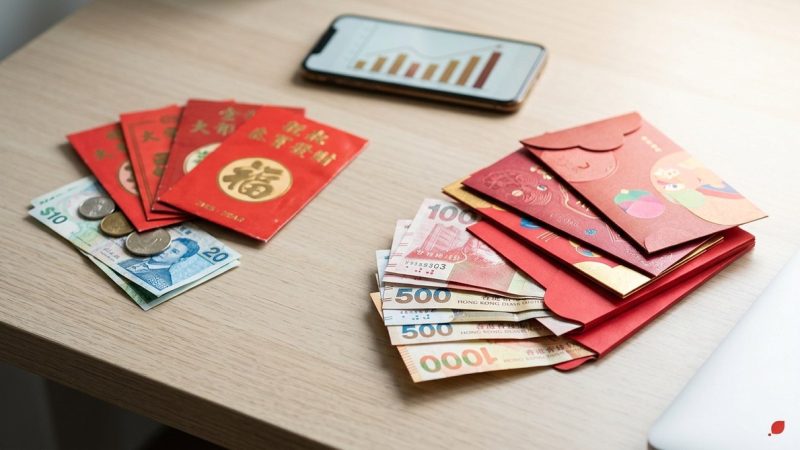
Red packets have long stood as one of the most vivid symbols of Chinese New Year and other special occasions. They carry not just cash but blessings, good wishes, and a sense of togetherness that can span generations. Yet as economies shift, so do the amounts inside the envelopes. Inflation, changing lifestyles, and the rise of digital gifting have all nudged this tradition forward. In this article we explore how red packet amounts have changed over time, why those changes matter, and how families and communities navigate the balance between tradition and practicality.
The historical arc of lucky money
Red packets did not appear overnight as we know them today. The practice grew from a blend of ancient customs, social hierarchies, and symbolic colors. In early times, money was less about the exact amount and more about the gesture of passing luck from elder to younger generations. Red, already a color associated with luck and warding off evil, became the universal wrapper for this blessing. Over centuries the physical container evolved from cloth wrappings and coin pouches to modern envelopes with printed designs, family emblems, and intricate motifs.
Origins in culture and money exchange
- The core idea is reciprocity. Elders give, younger generations receive, and the act reinforces kinship and respect.
- The money inside served as a tangible token of future prosperity. The exact sum varied by family, occasion, and region.
- Design often carried auspicious imagery such as gold ingots, dragons, phoenixes, and late Qing era motifs. These visuals reinforced the wish for a prosperous year ahead.
The role of social relationships in amount decisions
- Immediate family often yields larger sums for children and teenagers as a hedge against the uncertainties of growing up.
- Extended family and close friends may receive moderate amounts that reflect closeness and gratitude.
- Employers and service providers are sometimes included in the tradition as a sign of appreciation, shifting the practice from purely familial to a broader social gesture.
As communities urbanize and wages adjust, the practice of setting an amount has become both more formal and more personalized. People began to rely on a general sense of what is appropriate for different receivers, while still leaning on lucky numbers to shape the perceived value of the gift.
How numbers play a key role in red packet values
Numbers carry a long cultural history in Chinese society. They are not random picks; they are carefully chosen to convey luck, longevity, and prosperity.
Lucky numbers and their meanings
- 6 and 8 are often favored because they sound like words connected to smoothness and prosperity.
- 8 is particularly popular in many communities for its association with wealth and success.
- 9 is valued for longevity and enduring good fortune.
- 4 is typically avoided because its sound resembles the word for death in several Chinese dialects.
Choosing a number is as much about intention as it is about the real value inside the envelope. Some families also favor numbers that fit a receiver’s life stage or milestone, such as new jobs, graduations, or marriages.
Small and large amounts as cultural signals
- Lower denominations in a family circle may still carry significant symbolic weight when given to children, signaling care and guardianship.
- Larger sums to elders or to respected relatives show deference and honor, while still staying within the family budget.
- The exact amount is often less important than the gesture of giving and the blessings attached to the act.
In practical terms the emphasis on numbers means that the meaning behind the gift can outweigh the monetary value in the eyes of the giver and receiver alike.
Inflation and the changing value of red packet amounts
Inflation has a clear impact on what is considered generous. When prices rise, the purchasing power of a fixed nominal sum declines, and families adjust their red packet budgets accordingly.
Why inflation shifts red packet expectations
- Cost of living increases over time mean that families need to allocate more funds to maintain the same perceived generosity.
- Wages and salaries tend to rise at different paces across regions, influencing what is seen as a fair or generous amount for various recipients.
- Digital platforms sometimes make people more conscious of budgets, because the money moves quickly and the idea of a “quick gift” can become more common.
How families adapt their red packet budgets
- Many households set a tiered framework that aligns with the receiver’s age and relationship to the giver.
- For children, the aim is to remain within a comfortable, family-friendly range while maintaining the sense of blessing rather than competition.
- For elders, a higher tier acknowledges respect and longevity without becoming extravagant.
- For colleagues and friends, amounts tend to reflect professional relationships while staying mindful of personal finances.
Practical ranges and how to interpret them
Ranges vary by region, family tradition, and the receiver’s age. A typical progression might look like this, but keep in mind these are illustrative and not universal:
- Children under 12: HKD 10 to 50, with a preference for numbers like 10, 20, or 50 that feel complete and auspicious.
- Teenagers and young adults: HKD 20 to 100, sometimes 88 or 188 to emphasize luck.
- Elders and senior relatives: HKD 50 to 200, with larger denominations reserved for particularly close seniors.
- Friends and colleagues: HKD 20 to 100 depending on the occasion and relationship.
Remember that inflation is a moving target. Families frequently discuss and adjust their benchmarks each year to stay aligned with economic realities.
Digital red packets and new dynamics
Digital red packets have become a dominant force in many communities. They bring convenience, speed, and a social gamification layer that traditional envelopes rarely offered. They also alter how people think about amounts and etiquette.
The rise of digital red packets
- WeChat Pay and other e wallets made sending red packets instant, trackable, and shareable across distances.
- Group red packets enable rotating givers and dynamic gifting patterns, which can broaden participation beyond the nuclear family.
- Personalization features in apps allow senders to add names, messages, and even digital art to the envelope.
How digital changes etiquette and budgeting
- Instant transfers can lead to casual, rapid gifts, which is joyful but sometimes demands a conscious budget to avoid overspending.
- Digital platforms often show a sender’s avatar or name in the packet, creating social feedback loops that influence how much people feel comfortable sending.
- Red packets can be timed for peak moments (like the exact hour of the New Year) to maximize the sense of celebration, sometimes prompting larger totals in a single moment.
Balancing digital and physical giving
- Families often maintain a hybrid approach: core gifts in physical envelopes for elders and younger children, complemented by digital packets for distant relatives, coworkers, or friends.
- Physical packets carry tactile symbolism that digital formats cannot fully replicate, particularly for younger children who enjoy the ritual of opening and counting money.
Handling empty packets and re gifting etiquette
Empty packets can occur for a variety of reasons, from printing errors to social mishaps. How you respond matters because the packet is as much about sentiment as money.
Best practices when an empty packet appears
- Remain gracious and use the moment to share a blessing or a joke that lightens the mood.
- If you suspect a mistake happened, politely mention it and recalculate a fair gift if needed.
- Consider using the moment to teach younger recipients about generosity and patience.
Re gifting and recycling red packets
- Reusing envelopes that are in good condition is common in many families, especially for younger children who appreciate sustainability.
- If redesigning or personalizing, you can update the motifs to reflect current interests without losing the original auspicious message.
- When re gifting, ensure the new recipient receives a thoughtful note or blessing to accompany the envelope.
Printing techniques, design, and personalization
Red packets serve not only as a monetary gift but as a keepsake. The design quality can reflect a family’s identity, preferences, and sense of humor.
Traditional and contemporary design motifs
- Classic symbols: prosperity ships, gold ingots, phoenix and dragon designs, and auspicious calligraphy.
- Contemporary twists: modern typography, minimalistic lines, or playful mascots that children recognize and enjoy.
Printing techniques that matter
- Lithographic printing offers crisp images and vibrant colors for elaborate scenes.
- Foil stamping adds a metallic sheen that enhances perceived value.
- Embossing and laser-cut patterns provide tactile appeal and can make the envelope feel premium.
Personalization ideas for your red packets
- Add family names or personal blessings to the envelope.
- Create a mini design theme for the year such as a favorite color, a hobby, or a symbolic animal.
- Include a short handwritten note inside for a personal touch that technology cannot replace.
Opera influence and cultural motifs
Chinese opera has long shaped visual culture, including red packets. Elements like stylized face masks, bold color contrasts, and dramatic line work can appear on envelopes, linking modern gifting to centuries of performance art. Incorporating opera inspired motifs can deepen the sense of tradition while still feeling fresh and relevant.
The Shenzhen to Hong Kong and global perspective
Red packet customs vary by region, language, and diaspora. While the core practice remains similar, subtle differences shape how much is given, how packages are decorated, and what symbols are most valued.
Regional differences in practice
- Cantonese communities may emphasize certain numbers and motifs that are historically tied to prosperity.
- Mandarin speaking regions might favor different auspicious phrases and could use slightly different denominations based on local norms.
- In diasporic communities, red packets become a bridge between cultures, sometimes combining traditional symbols with local design trends or currencies.
Global reach and adaptation
- Among overseas Chinese communities, red packets adapt to local currencies and banking norms while preserving the blessing and ritual.
- Digital platforms make it easier to share red packets with extended networks around the world, maintaining the social connection across borders.
Practical guidelines for a sustainable red packet approach
In today’s economy, a thoughtful approach to red packets can honor tradition while respecting budgets and practical realities.
- Set a yearly family budget for red packets and review it before each New Year.
- Use a tiered approach based on the receiver’s relationship, age, and contribution to your life.
- Mix physical and digital formats to suit recipients and circumstances.
- Prioritize the symbolic elements over the raw amount in public celebrations to preserve the meaning of blessing.
- Preserve traditional motifs and fonts when possible to maintain continuity with past generations.
How to start planning your red packet strategy this year
- List recipients by category (elder family, children, relatives, colleagues, friends).
- Decide on a budget cap for the year and allocate ranges by recipient category.
- Choose a format (physical envelope, digital packet, or a hybrid).
- Pick a design theme that honors tradition while allowing personal touches.
- Prepare any personalization in advance, such as names, blessings, or artwork.
- Review the final plan and ensure it respects local etiquette, especially with elders and sponsors.
The future of red packets: inflation, innovation, and blurring lines
Looking ahead, red packets are likely to continue evolving. Inflation will push the base values up in many families, while digital platforms will create new norms around gifting. The best path is a balanced approach that respects tradition while embracing modern life.
- Expect more hybrid gifting, with physical envelopes for some recipients and digital packets for others.
- Personalization will become more common as families want envelopes that reflect current tastes without losing the core blessings.
- Educational opportunities around etiquette and budget can help younger generations understand the deeper meaning behind red packets beyond the money.
Summing up: why red packet amounts matter beyond the cash
Red packet amounts are a living artifact of culture and economy. They reflect:
- The health of families and communities through adjustments in budgeting.
- The value people place on relationships and respect for elders.
- The interplay between old customs and new technologies that shape how blessings are shared.
As inflation continues to influence everyday life, red packet etiquette will continue to adapt. The essence of the practice remains the same: to pass on good fortune, nurture connections, and celebrate together. Whether you choose a classic red envelope with a hand written blessing or a sleek digital packet with a personalized message, the act of giving remains a powerful symbol of care that outlives any single amount.
If you enjoyed this exploration of red packet inflation and would like to dive deeper, explore more on redpacket.hk. We cover a range of topics from digital versus physical red packets to re gifting etiquette, and even the printing and design techniques that give red packets their unique character.